Ayurvedic ways to reduce menstrual discomfort
Ease period pain naturally with Ayurvedic warmth and care
For many generations, period pain has been treated as something women must endure quietly. Painkillers and quick fixes are often used to suppress cramps, but Ayurveda sees menstrual discomfort differently. Instead of silencing the pain, it treats it as a signal from the body. This signal indicates the need for warmth, nourishment, and gentle care.
Stuti Ashok Gupta, an Ayurvedic expert and co-founder of Amrutam, explains that period pain often occurs when the Vata dosha is aggravated. Vata increases when the body is too cold, dry, or overstressed, and it can lead to cramps, bloating, and irregular flow. Ayurveda encourages listening to these signals and responding with practices that restore balance.
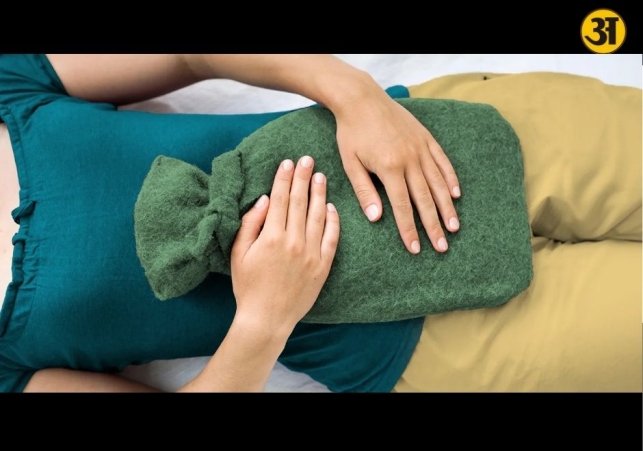
One of the first and simplest forms of relief is warmth. Warmth can be physical and emotional. Cold foods, iced drinks, late nights, and constant rushing increase Vata and make the body tight. Simple actions like drinking warm water, eating freshly cooked meals, using a hot compress on the lower abdomen, and slowing down daily routines can reduce tension. “Warmth tells the body it is safe,” Gupta says. “When the body feels safe, it begins to release.”
Gut health, stress relief, and gentle Ayurvedic practices
Ayurveda emphasizes that menstrual health begins in the gut. A weak digestive system, called Agni, can lead to sharper cramps, irregular flow, bloating, and fatigue. Maintaining digestion is key. Eating at regular times, choosing freshly prepared foods, and avoiding heavy or processed meals before and during the period helps the body function smoothly.
Stress also plays a hidden role in period pain. When the nervous system is under stress, muscles tighten, circulation decreases, and cramps worsen. Ayurveda addresses this through gentle practices rather than force. Slow walks, deep breathing, early sleep, and warm oil massages, called abhyanga, help relax the nervous system and improve circulation. “These practices aren’t indulgences; they’re essential for pain relief,” Gupta says.
ALSO READ: India-EU trade deal set to cut costs for Indian buyers
ALSO READ: Maduro’s US custody case begins as he faces drug and narco‑terrorism charges
Herbs are another supportive tool. Ayurvedic herbs like Kachnar, Daru Haldi, and Shilajit are traditionally used to improve blood flow, reduce inflammation, and strengthen reproductive tissues. These herbs work gradually, helping the body regain balance instead of masking symptoms. “They don’t override pain; they help the body rebuild from within,” explains Gupta.
The deeper lesson of Ayurveda is listening to the body rather than resisting it. Menstrual pain is not a punishment; it is a guide. When women respond with warmth, care, and rhythm, cramps ease naturally, and periods become more manageable. The body can unclench and flow with its cycle rather than fighting against it.
Ayurveda reframes period care as a gentle, patient practice. Relief comes not from suppressing the body’s signals but from supporting and restoring it. By nurturing warmth, digestion, and calmness, women can experience periods with less discomfort and more understanding of their body’s needs.
In summary, Ayurvedic approaches—warmth, proper digestion, stress management, gentle movement, and herbal support—offer a natural and sustainable way to ease menstrual discomfort. They focus on balance, listening, and supporting the body instead of just silencing pain. This approach helps women move through their cycles with ease and care, turning period pain into a signal to nurture and restore the body.
Related News